

GFCIs: A small but mighty way to keep your business’ energy use as safe and efficient as possible.
Key Takeaways:
- Understanding GFCIs: Learn what GFCIs are and why they’re essential for commercial properties.
- Installation and maintenance: Tips for proper installation and upkeep of GFCIs to ensure maximum safety.
- Advanced features: Discover the latest technological advancements in GFCI design.
- Debunking myths: Clear up common misconceptions about GFCIs.
Ah, electricity—our dependable, invisible friend that powers everything from our morning coffee brewers to the towering skyscrapers in the heart of the city. But, like most good things, it comes with a few quirks. Enter the ground fault circuit interrupter (GFCI), a small yet mighty device designed to keep our interactions with electricity as safe as possible.
In this article, we dive into the whimsical world of GFCIs, particularly focusing on their significance in commercial properties. Whether you’re managing a bustling office building or running a chic café, understanding GFCIs can be a game-changer for safety and compliance.
So grab a cup of coffee, sit back, and let’s unravel the magic behind these potentially life-saving gadgets.
The GFCI basics: What, why, and how?
Let’s start with the fundamentals of GFCIs.
These devices, while small, pack a powerful punch regarding safety and functionality. They are designed to be ever-vigilant, monitoring electrical circuits and springing into action at the first sign of trouble.
What is a GFCI?
A GFCI is like the superhero of electrical outlets. It constantly monitors the flow of electricity in a circuit and activates if it detects any anomalies.
Imagine it as a vigilant watchdog, always looking for hazards.

Why do we need GFCIs?
Electricity is an amazing servant but a terrible master.
According to the Electrical Safety Foundation, ground faults — where electricity takes an unintended path to the ground — are a leading cause of electrical shock.
GFCIs are designed to protect against these faults, drastically reducing the risk of shock and electrocution. They are especially crucial in environments where water and electricity might meet, such as kitchens, bathrooms, and outdoor areas.
How does a GFCI work?
A GFCI monitors the electrical current flowing through a circuit. If it detects a discrepancy as small as 4-6 milliamps, it trips the circuit, cutting off the electricity flow within milliseconds. This rapid response time can be the difference between a harmless tingle and a serious injury.
By understanding what GFCIs are, why they are essential, and how they function, you can better appreciate their role in maintaining a safe electrical environment. Now, let’s delve deeper into their specific importance in commercial properties.
GFCIs in commercial properties: A safety must-have
Commercial properties are bustling hubs of activity. From restaurants whipping up culinary delights to offices buzzing with meetings and deadlines, these spaces require robust safety measures. GFCIs are essential components of these safety protocols.
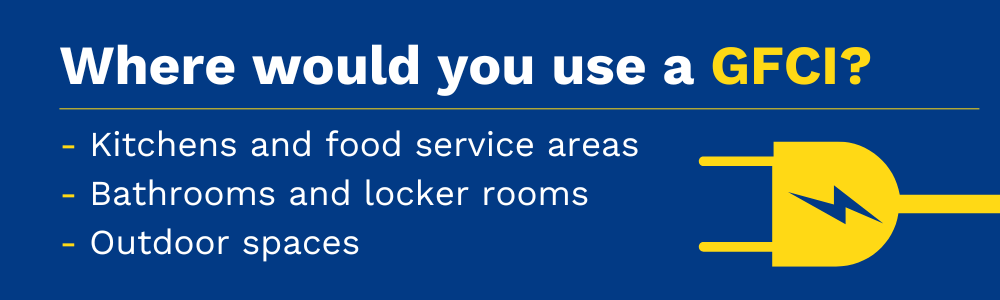
- Kitchens and food service areas: These areas are prone to spills and splashes, making GFCIs indispensable. They ensure that even if a rogue stream of water meets an outlet, the result isn’t a shocking surprise.
- Bathrooms and locker rooms: Water and electricity are a notorious pair. In commercial bathrooms and locker rooms, GFCIs provide a crucial layer of protection against accidental electrocution.
- Outdoor spaces: Outdoor areas in commercial properties, such as patios or signage, are exposed to the elements. GFCIs help mitigate the risks associated with outdoor electrical outlets.
Compliance and regulations
In many jurisdictions, GFCIs aren’t just recommended; they’re required by law. The National Electrical Code mandates GFCI protection in various commercial settings.
Ensuring your property complies with these regulations isn’t just about safety; it’s also about avoiding hefty fines and potential legal issues.
Installation and maintenance: Keeping GFCIs in top shape
Installing GFCIs might seem daunting, but with the right approach, it can be a straightforward process. Here are some tips to ensure a smooth installation:
- Identify GFCI-required areas: Before starting, pinpoint areas where GFCIs are mandatory, such as kitchens, bathrooms, and outdoor locations.
- Turn off the power: Safety first! Always turn off the power at the circuit breaker before beginning any electrical work.
- Follow manufacturer instructions: Each GFCI model might have specific installation guidelines. Follow these instructions meticulously to ensure proper functioning.
Regular maintenance and testing
GFCIs are robust devices. Like any technology, they require regular maintenance to function optimally. Here’s how you can keep them in check:
- Monthly testing: GFCIs have a test button — use it. Monthly testing helps ensure they’re functioning correctly. Simply press the test button, and if the GFCI trips, it’s working fine. Press the reset button to restore power.
- Look for wear and tear: Regularly inspect GFCI outlets for any signs of damage. Cracks or scorch marks indicate it’s time for a replacement.
- Professional inspections: Consider scheduling annual inspections with a certified electrician. Professional inspections can identify issues that might not be visible to the untrained eye.
The technological marvel: Advanced GFCI features
Self-testing GFCIs
Modern GFCIs come with self-testing capabilities. These advanced units automatically conduct periodic tests to ensure they’re functioning correctly. If they detect a problem, they alert you with a visual or audible warning.
Smart GFCIs
In our smart world, even GFCIs are getting an upgrade.
Smart GFCIs can be integrated with your building’s automation system, allowing remote monitoring and control. This integration is particularly beneficial for large commercial properties, enabling facility managers to oversee the safety of multiple units from a single dashboard.
Tamper-resistant GFCIs
Safety extends beyond electrical faults. Tamper-resistant GFCIs are designed to protect against the insertion of foreign objects, making them ideal for environments frequented by children, such as daycares or pediatric clinics.
Common misconceptions about GFCIs
When it comes to electrical safety, myths and misconceptions can lead to dangerous oversights.
GFCIs are no exception. Despite their proven effectiveness, there are still several common misunderstandings about these devices. Let’s debunk a few of these myths to better appreciate why GFCIs are essential for commercial properties.
- Myth 1: GFCIs are only for residential use
While GFCIs are common in homes, they are equally important in commercial settings. In fact, given the higher foot traffic and diverse activities in commercial properties, GFCIs are arguably even more critical. - Myth 2: GFCIs are expensive and unnecessary
Some property managers might balk at the upfront cost of GFCI installation. However, consider the potential costs of not having them: electrical fires, injuries, and legal liabilities. In the long run, GFCIs are a cost-effective safety measure. - Myth 3: All GFCIs are the same
Not all GFCIs are created equal. There are different types suited for various applications. For instance, while standard GFCIs are ideal for indoor use, weather-resistant GFCIs are designed for outdoor environments.
Understanding the truth behind these myths helps to highlight the indispensable role GFCIs play in maintaining safety. Recognizing their importance ensures that commercial properties can function smoothly and securely, safeguarding both people and property.
Embracing the power of GFCIs
Ground fault circuit interrupters might be small, but their impact on safety is monumental. For commercial properties, investing in GFCIs is not just about compliance; it’s about creating a safe environment for employees, customers, and visitors.
As you navigate the electrifying world of commercial property, remember that Universal Electrical Services is here to help with expert advice, installation, and maintenance of GFCIs. Stay safe, stay compliant, and keep those circuits happy.
For more tips on electrical safety and efficiency, check out our other informative articles on the Universal Electrical Services Blog.


